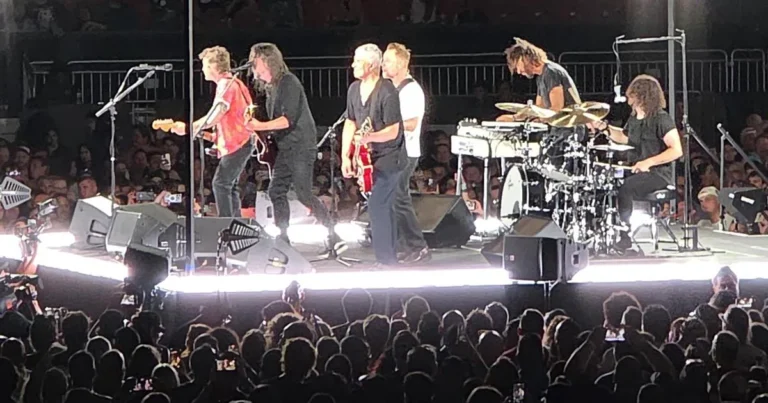
Rush Returns to TD Garden With a Tribute-Filled Boston Show, as Geddy Lee, Alex Lifeson and Drummer Anika Nilles Revive Classics From Moving Pictures for Fans
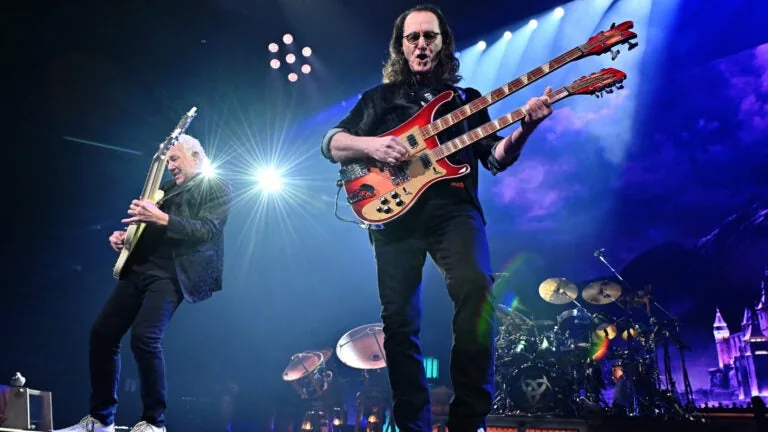
BOSTON, MA — Rush came back to TD Garden on Monday night and treated Boston fans to a reminder of why the band remains one of rock’s most durable live acts. The performance was the second of two shows in the city on the group’s RUSH FIFTY SOMETHING world tour, an 86-night run stretching across three continents and 17 countries.
For longtime listeners, the evening carried extra weight because it was framed as both a celebration and a tribute. Geddy Lee and Alex Lifeson played alongside drummer Anika Nilles, with veteran keyboardist Loren Gold adding keys and backing vocals. The band’s return also carried the emotional residue of years when many fans assumed the road days were over, especially after Neil Peart’s death in 2020.
A theatrical intro set the tone before the first note
Rush opened with the kind of offbeat theatrical touch fans have come to expect from the band. The video intro included a “second-hand” sausage vendor, cobweb-covered versions of Lee and Lifeson, and cameos from actors Jason Segel and Paul Rudd, both known Rush fans.
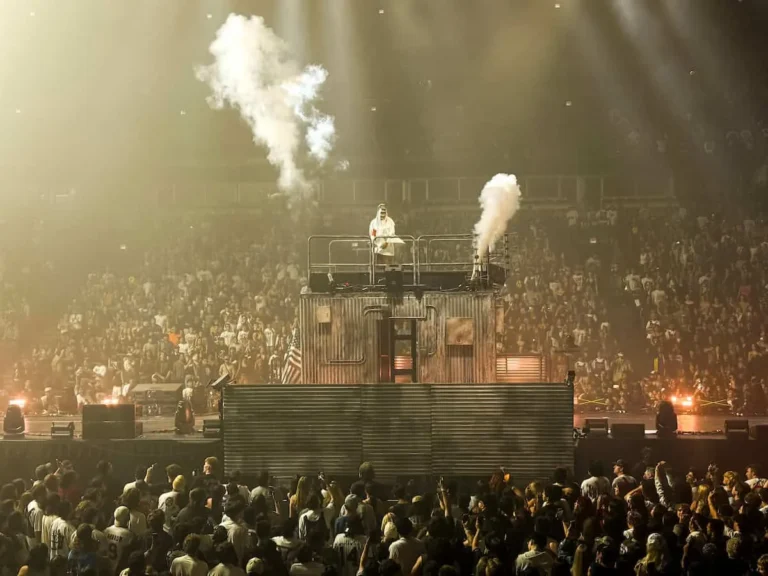
By the time the fog rolled onto the stage, the Garden was packed and primed. The crowd included parents and children, husbands and wives, and groups of old friends, all waiting for the first sound. That buildup paid off immediately when “Xanadu” launched the night with its sweeping, intricate opening and a tight performance from the reunited trio.
Lee’s bass work, Lifeson’s guitar precision and Nilles’ drumming all snapped into place from the start. The song’s dramatic scale made it a fitting opener for a band returning to an arena stage after years of uncertainty about whether that would ever happen again.
Lee and Lifeson leaned into the emotional history of the set
Once the opening song ended, Lee greeted the crowd with a simple expression of gratitude before pushing the show forward. Rush moved into “Dreamline” and then “Subdivisions,” giving the audience a quick tour through songs that speak to ambition, youth and the pressure of growing up.
Lee also used the set to reflect on Peart’s writing, introducing “Headlong Flight” by noting how the drummer and lyricist evolved over time. He described Peart as someone who “became a philosopher,” a remark that helped frame the rest of the night as more than a standard nostalgia set.
That emotional current ran through the performance of “Bravado,” which followed an audio clip of Peart from an old interview and video of him drumming. The screen later showed a photo montage of Peart through the years, and the response in the room suggested the tribute landed exactly as intended.
Anika Nilles handled Peart’s parts with speed and control
One of the biggest questions surrounding this tour has been how Nilles would handle the job of filling in on drums for one of rock’s most celebrated musicians. Monday night provided a strong answer. She played with discipline, clarity and enough force to keep Rush’s most demanding songs locked in place.
The challenge was not to replace Peart, but to honor his role in the band’s history. Nilles approached that task with the kind of poise that let Lee and Lifeson focus on their own chemistry, while still preserving the detailed rhythmic architecture that defines Rush’s catalog.
On “Tom Sawyer,” she delivered the song’s familiar fills with confidence, drawing a big response from the crowd. Her performance supported the larger point of the night: the music still works because the arrangements remain as exacting and distinctive as ever.
Moving Pictures became the centerpiece of the second set
After the intermission, Rush returned with “Tom Sawyer” and then announced that it would play 1981’s Moving Pictures from front to back. For fans, that meant hearing deep favorites and album staples in sequence, including “Witch Hunt” and “The Camera Eye,” both of which benefited from the scale of the arena.
The structure of the second set gave the show a clear spine. Rather than scattering hits randomly, Rush let one of its most beloved records drive the pacing. That decision gave the performance a classic-album feel and underscored how much the band’s reputation rests on both musicianship and album craft.
Even when a moment of sound quality made Lifeson’s guitar tone a bit tinny during “Time Stand Still,” the performance never lost momentum. The music remained tight, and the band’s control over the room never really slipped.
The encore closed with two more crowd favorites and a clear sense of renewal
Rush closed the main set with “Closer to the Heart” and an abridged version of “2112,” then returned for an encore of “By-Tor & the Snow Dog” and “Working Man.” By that point, the audience was fully committed, and Lifeson’s soloing pushed the reaction into near hysteria.
The night also reinforced the easy bond between Lee and Lifeson, who spent the show trading glances, making goofy faces and moving together like musicians who still genuinely enjoy each other’s company. That chemistry mattered as much as any individual song because it gave the performance its warmth.
By the end, Rush had done more than revisit old material. It gave Boston fans a live argument for the band’s staying power, with Lee sounding polished at 73 and the entire group playing with the energy of musicians far younger. The result was both a tribute to Peart and a triumphant return for a band many thought had already taken its final bow.
Chicago's music scene, one story at a time — Chicago Music Guide.