Chicago Concertgoers Weigh in on Phone-Free Shows, From Jill Scott at the Chicago Theatre to Jack White’s Pouch-Only Entry at Salt Shed and Radius
CHICAGO, IL — Chicago readers say phone-free concerts can make a live show feel more present, less crowded by screens and, in some cases, more memorable. But they also say the rules can create new hassles, especially when venues use locked pouches or app-based entry.
In comments shared with the Chicago Sun-Times, concertgoers described a mix of approval, frustration and relief after attending phone-restricted performances by artists including Jill Scott, Jack White, Gary Clark Jr. and Phoebe Bridgers. Their experiences suggest that fans do not all want the same thing from a show, even when they agree on one point: the music should stay at the center.
Locked pouches changed the mood at major Chicago shows
Several readers singled out the pouch system used at large concerts. Tim Thomas said Jill Scott’s August 2026 performance at the Chicago Theatre required phones to be placed in a locked bag that fans could keep with them. That setup, he suggested, was part of the trade-off for a distraction-free evening.
Arcadia Kust McCauley had a similar experience at Jack White’s 2022 show at UIC. She said getting in and out took longer, but once inside, the no-phone environment felt worthwhile. Still, she noted a practical concern: if parents needed to be reached about a babysitting emergency, there was no easy way to do that quickly while the phones were sealed away.
Those reactions highlight the tension at the heart of phone-free events. Fans may like the idea of being fully unplugged, but they also expect a reasonable way to handle urgent real-life issues.
Some fans say the no-photo rule helps the crowd stay present
Not every phone-free event relied on locked pouches. Jimmy Pobol pointed to the Paper Machete variety show at the Green Mill, which runs every Saturday afternoon as a no-video, no-photo event. For him, the biggest benefit was simple: no one was forced to watch the show through a forest of raised screens.
Pobol said the policy made the room feel more focused and more in the moment. Instead of worrying about people recording or blocking the view, the audience could pay attention to what was happening onstage.
That kind of response suggests that some fans see phone restrictions as less of a nuisance and more as part of the atmosphere. In a room built around performance, the absence of phones can become part of the experience itself.
Fans missed their own videos, but not always the distraction
Other readers said they understood the point of the policy even if they missed taking clips home. Chris Perez, who attended Gary Clark Jr. at the Vic on a Friday night, said the Yondr pouches were in use and the process went fine. His one regret was not being able to shoot video of the show.
That feeling came through in other comments as well. Several fans said they appreciated being more immersed in the music, even if they were giving up a habit they had come to expect at concerts. For some, the lack of a camera roll full of concert snippets was a fair price to pay for a more focused night.
These responses point to a shift in expectations. Recording has become so routine that fans now notice its absence almost as much as the performance itself.
For some families, the experience became a lesson in communication
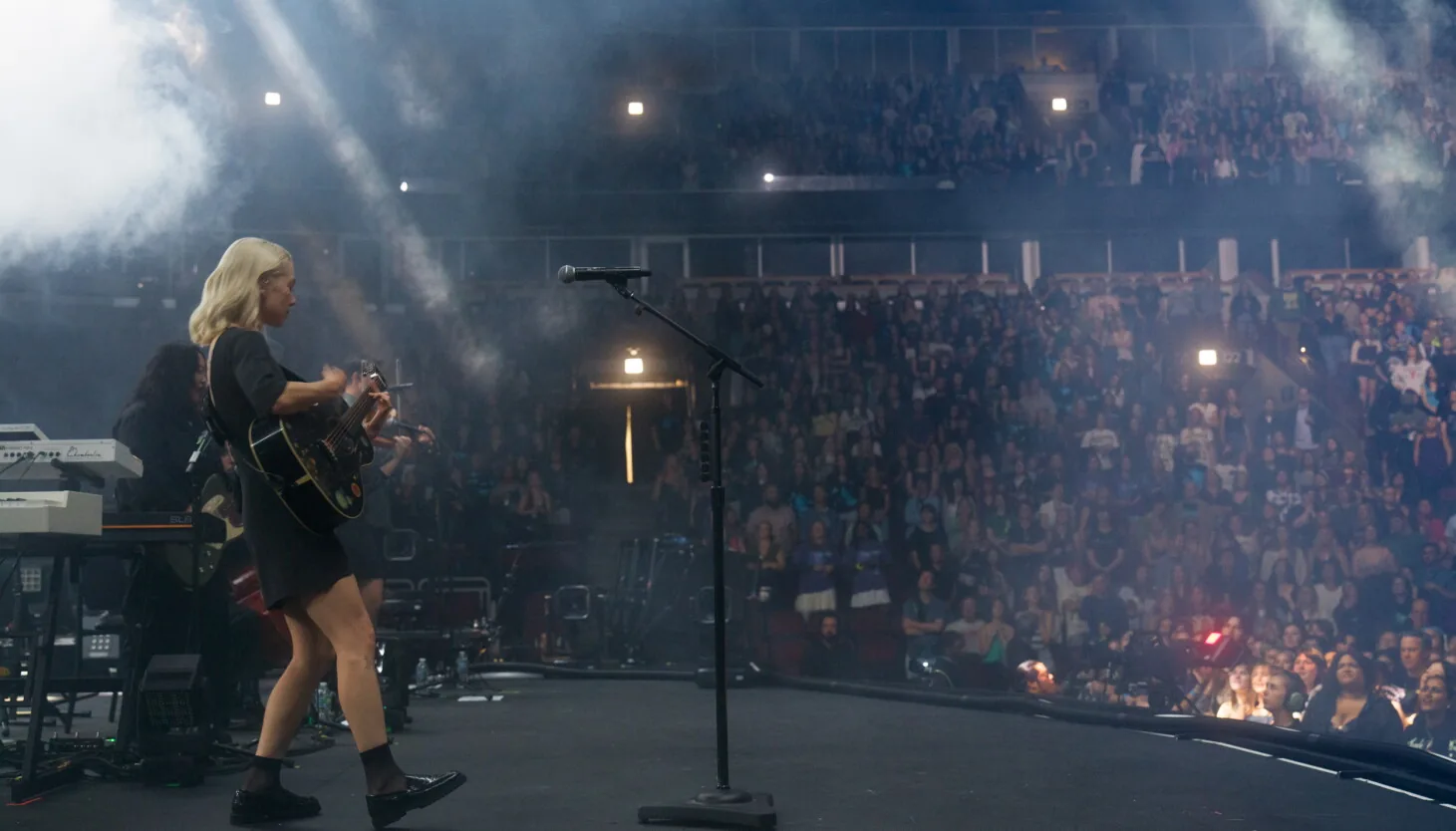
Hope Zawaski described Phoebe Bridgers at the United Center as more than just a concert. She said the phone-free setup was wonderful and turned into a learning experience for her daughter and her friends, who had to communicate more directly during the show.
For Zawaski, that added something positive to the night. She said it was a joy to watch her daughter express real emotions and absorb the live music she loved. The phone restriction, in that case, seemed to encourage the group to be more engaged with one another and with the performance.
That kind of reaction shows how phone-free rules can affect more than recording habits. They can also shape how friends, parents and younger fans interact inside a venue, sometimes in ways that feel surprisingly meaningful.
Jack White's Chicago visits also exposed a practical contradiction
Not every phone policy felt seamless. Don Anderson said Jack White’s July show at Radius was technically phone free because his phone was locked in a pouch, but he argued that the venue’s entry process undercut that idea.
According to Anderson, the only way to get in the door was to download an app to a phone before entering. He said that made the policy feel inconsistent, since guests were told to surrender phones for the performance but still needed them to complete the admission process.
His complaint gets at a broader issue for venues trying to limit screens: the rules have to make sense from start to finish. If fans are asked to give up one device, they may be less patient when another device becomes mandatory just to walk through the door.
What Chicago readers want from phone-free performances
The reader responses make one thing clear: there is no single verdict on phone-free concerts. Some people welcome the chance to focus on the artist, the room and the shared energy of the crowd. Others are fine with the idea but want a better system for emergencies, entry and practical convenience.
Even among fans who liked the concept, the details mattered. A locked pouch that is quickly unlocked on the way out felt manageable to some. A no-photo policy at a weekly variety show felt refreshing. An app required at the door felt contradictory.
For Chicago audiences, the appeal of phone-free events seems tied to balance. Fans want the performance to feel special, but they also want the process to be simple enough that the rules do not overshadow the show itself.
Chicago's music scene, one story at a time — Chicago Music Guide.