Rush Returns to Cleveland for a Three-Hour Rocket Arena Show, Saluting Neil Peart and Revisiting the City That Helped Launch the Band’s Rise
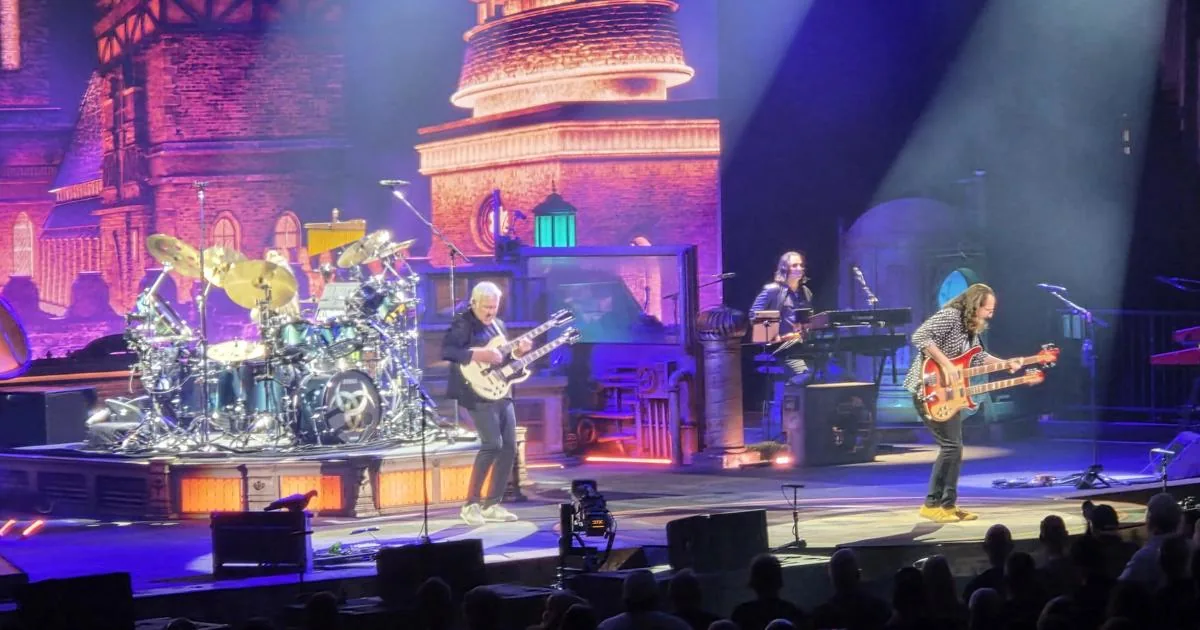
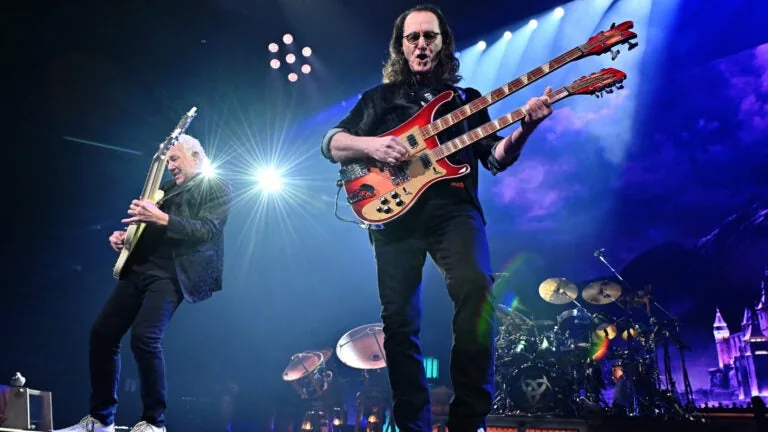
CLEVELAND, OH — Rush came back to Cleveland on Thursday night for the first of two “Fifty Something” tour dates at Rocket Arena, and the band treated the city like more than just another stop. The performance ran about three hours and marked Rush’s first Cleveland show since 2012.
It also carried extra weight because this was the group’s first time playing without drummer Neil Peart, who died in 2020. Geddy Lee and Alex Lifeson led the night with Anika Nilles on drums, turning the concert into both a comeback and a tribute.
How Cleveland became part of Rush history
Cleveland’s connection to Rush goes back to the band’s early U.S. breakthrough. In the 2010 documentary Rush: Beyond The Lighted Stage, former WMMS music director Donna Halper described hearing “Working Man” and recognizing it as a perfect fit for the city’s working-class radio audience in 1974.
That early support mattered. Rush’s rise in the United States began in a market that responded strongly to the song’s sound and themes, and Cleveland fans have remained part of the group’s story ever since. Lee acknowledged that history from the stage, calling Cleveland “where it sort of all began for us.”
A tribute night shaped by Neil Peart’s absence
Thursday’s concert was built around remembrance as much as performance. Lee paused during the show to honor Peart, calling the night “a long overdue tribute” and promising the audience that the band would pay homage to him.
The late drummer was known for his intricate playing and his dramatic 360-degree kit, and the show made that absence impossible to miss. Still, the band did not treat the evening as a memorial alone. It was also a working rock show, with Lee and Lifeson pushing through Rush’s demanding catalog while Nilles handled the drum parts with precision.
The setlist leaned hard into the songs fans came to hear
Rush delivered many of the songs that define its live reputation, including “Limelight,” “The Spirit of Radio,” “YYZ” and “Tom Sawyer.” The musicianship was the draw throughout the night, with the trio navigating Rush’s layered arrangements and technical passages in front of a crowd that seemed eager for every note.
The most devoted fans responded in kind, shouting along and trying to match Geddy Lee’s range. At 73, Lee still carried much of the vocal burden, while Lifeson worked through the band’s dense guitar lines and solos. The crowd’s energy suggested that the band’s catalogue still lands as a live challenge and a shared ritual.
Cleveland fans turned out in vintage shirts and full volume
Thousands packed Rocket Arena for the first night of the stand, many wearing old Rush T-shirts and treating the concert like a reunion. The atmosphere reflected how long the band has mattered to listeners who followed its music from cult favorite to arena institution.
The audience also got help from a pair of familiar movie characters. Paul Rudd and Jason Segel appeared in opening and closing video skits that reimagined Rush in a haunted-house setting, a nod to the band’s pop-culture afterlife through I Love You, Man. For longtime fans, the references added another layer to a night already filled with nostalgia.
From critical underdog to Rock Hall favorite
Rush’s Cleveland visit also comes with institutional recognition that would have seemed unlikely years ago. The band needed a significant fan push to reach the Rock & Roll Hall of Fame in 2013, even after becoming eligible 15 years earlier.
At one point, major publications often dismissed the band, but that reputation has changed over time. Dave Grohl summed up the shift in his Hall of Fame induction speech, praising Rush for staying true to itself. This weekend, the Rock Hall is leaning into that legacy with “Rush the Rock Hall” fan events for concertgoers in town.
A legacy measured in tours, records and staying power
Rush’s Cleveland show also underscored the scale of the band’s career. Over five decades, the group completed 26 tours, and its catalog accumulated major commercial milestones: 24 albums certified gold and 14 certified platinum.
That history helps explain why a single return to Cleveland felt like a major event. The performance blended tribute, reunion and celebration, while “Working Man” closed the night with the song that helped open the door to the band’s American success. In Cleveland, that full-circle ending carried an especially personal charge.
Chicago's music scene, one story at a time — Chicago Music Guide.